
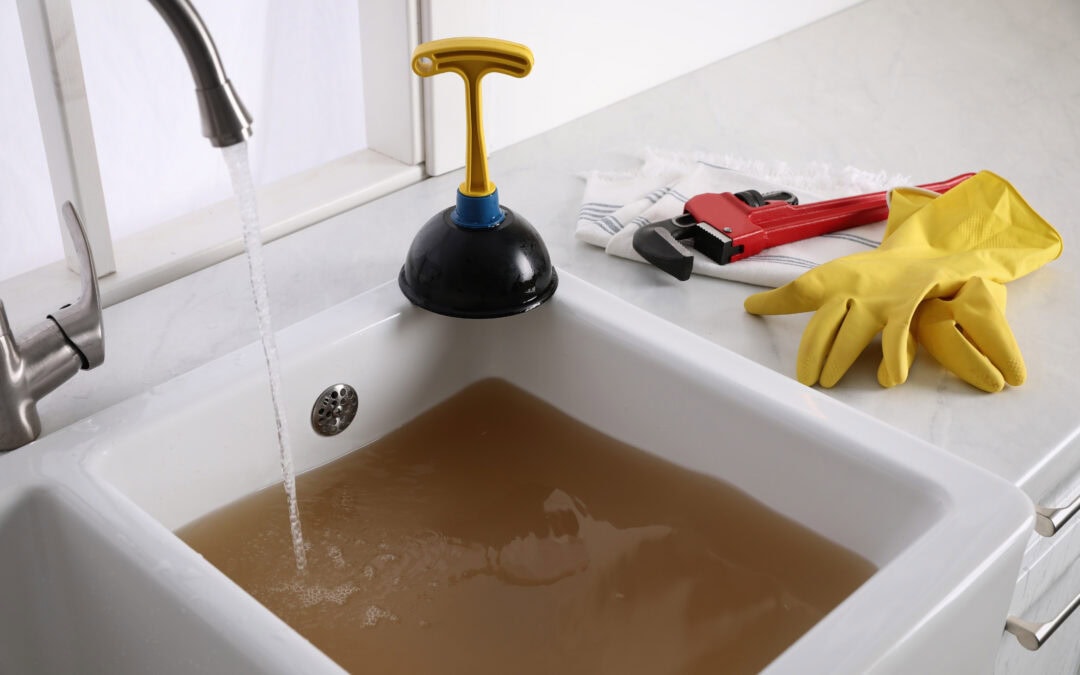
A blocked drain has a way of throwing your whole day off track. One minute everything’s flowing fine, and the next you’re dealing with slow drainage, strange smells, or water backing up where it shouldn’t. It’s a frustrating (and all too common) household problem that many of us face more than once.
In most cases, blocked drains don’t happen overnight. Hair gradually builds up in bathroom pipes, food scraps slip past sink strainers, and everyday toiletries can get stuck further down the line. So, what starts as a minor blockage can easily become a bigger problem down the line!
Fortunately, not every blocked drain is a worst-case scenario. Many minor clogs can be sorted with a few simple DIY fixes, as long as you know what to try and when. In this guide, we’ll walk you through practical, homeowner-friendly tips to help get your drains flowing again, and when it’s time to call in a professional.
Key Takeaways
|
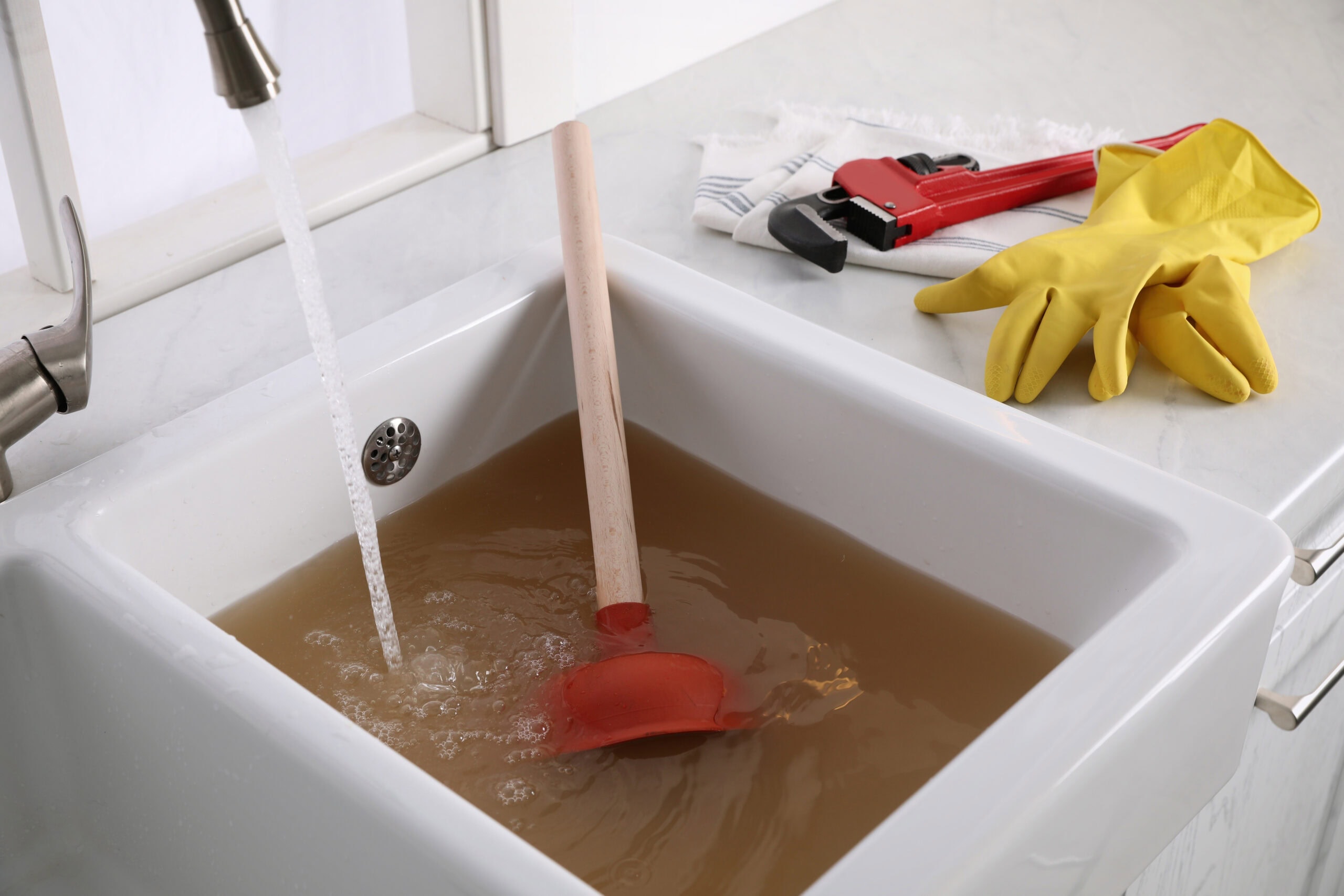
How to Spot a Blocked Drain Early
Your plumbing usually gives you a few warning signs before things turn into an overflow or emergency. The key is knowing what to look out for:
1. Slow-Draining Water
If water is taking longer than usual to drain from your sink, shower, or bathtub, it’s often the first sign of a developing blockage. This happens as hair, soap scum, grease, and food waste slowly build up inside the pipes and restrict water flow.
- One slow drain usually means the blockage is local to that fixture
- Multiple slow drains can indicate a larger issue in the shared plumbing or main sewer line
2. Unpleasant Smells From the Drain
Bad odours coming from your drains are a strong warning sign that debris is trapped inside the pipes and starting to break down.
Different smells can hint at different issues:
- Rotting food smells often point to food waste buildup
- Sewage-like odours may be caused by trapped sewer gases
- A constant rotten egg smell can indicate a more serious sewer line problem
These smells often appear before visible drainage issues, making them an important early clue.
3. Gurgling or Bubbling Noises
Gurgling sounds happen when air becomes trapped behind a blockage and struggles to move through the plumbing system.
You may notice these noises:
- After flushing the toilet
- As sinks, showers, or bathtubs empty
- When water-using appliances are running
What Causes a Blocked Drain?
Blocked drains are rarely caused by a single event. In most homes, they develop slowly as everyday materials build up inside pipes or as external factors interfere with your drainage system. These are the most common causes homeowners should be aware of:
1. Hair, Soap, and Toiletries
Bathrooms are one of the biggest problem areas for blocked drains.
- Hair is a major culprit because it doesn’t dissolve in water. Instead, it floats and tangles, creating a net that traps other debris as it moves through the pipes.
- Soap scum sticks to the inside of pipes, giving hair and residue something to cling to. Over time, this forms a thick, sticky coating that restricts water flow.
- Non-flushable wet wipes are responsible for a large percentage of wastewater blockages. Even wipes labelled “flushable” don’t break down properly in plumbing systems.
- Every day bathroom items like cotton buds, paper towels, tissues, and sanitary products can easily get lodged in pipes and cause stubborn blockages.
💡These materials build up gradually, which is why bathroom drains often start draining slowly before becoming fully blocked.
2. Grease, Oil, and Food Waste
Kitchen drains are commonly blocked due to cooking habits and food disposal.
- Fats, oils, and grease may go down the sink as liquids, but they cool and harden once inside the pipes. As grease solidifies, it sticks to pipe walls and narrows the space water has to flow through.
- Food scraps from plates and cookware attach to greasy residue and pile up over time. This combination can form solid masses known as fatbergs, which can completely stop water flow if left untreated.
💡Even small amounts of grease poured down the sink regularly can cause major blockages over time.
3. Tree Roots and Outdoor Debris
Not all blockages start inside your home, some begin underground.
- Tree roots naturally seek out moisture and can force their way into tiny cracks, joints, or weak points in underground pipes. Once inside, roots continue to grow and create a dense mesh that traps waste and restricts water flow.
- Leaves, sticks, dirt, and garden debris can wash into outdoor drains, especially during heavy rain or seasonal changes.
💡Homes with older plumbing or large trees nearby are especially vulnerable to these types of blockages.
4. Poor Pipe Installation or Damaged Plumbing
Sometimes the issue isn’t what’s going down the drain, it’s the condition of the pipes themselves.
- Pipes need a slight downward slope to allow gravity to carry waste away properly. If this slope is incorrect, water can pool and leave debris behind.
- Poorly joined pipes or uneven connections create ledges where waste can collect.
- Older clay pipes are more prone to cracking and root intrusion than modern PVC piping.
- Cracked, collapsed, or damaged pipes can cause recurring blockages, no matter how careful you are with what goes down the drain.
💡Structural issues often lead to repeated drainage problems and usually require professional inspection and repair.
5 DIY Methods to Unblock a Drain
Not every blocked drain needs a plumber straight away. When caught early, many minor blockages can be cleared using simple DIY methods and tools you may already have at home. The key is to start with the gentlest option and work your way up, stopping if the problem doesn’t improve.
1. Boiling Water Flush
A boiling water flush is often the easiest first step, especially for kitchen sinks. Grease, oil, and soap residue can slowly coat the inside of pipes, narrowing the space water has to flow through. Boiling water helps melt and loosen this buildup so it can wash away.
Pour the boiling water slowly down the drain in stages rather than all at once, allowing it time to work through the blockage. This method works best on metal or ceramic pipes.
⚠️ Avoid using boiling water on PVC pipes, as extreme heat can soften or damage them.
2. Baking Soda and Vinegar
Baking soda and vinegar are a popular DIY solution for minor drain blockages. When combined, they create a natural fizzing reaction that helps loosen and break down organic material such as food residue, soap scum, and light grease clinging to the inside of your pipes.
- Start by pouring around half a cup of baking soda directly down the drain. Try to get as much of it into the pipe as possible, rather than letting it sit around the drain opening.
- Follow with half a cup of vinegar.
- Cover the drain opening with a plug or cloth. This pushes the reaction downward into the pipe, where it can work on the blockage, instead of bubbling back up into the sink.
- Let the mixture sit for about 30 minutes. For slightly more stubborn buildup, you can leave it for up to an hour to give the reaction more time to work.
- Flush the drain with hot water to wash away the loosened debris and restore normal flow.
This method is safe for most pipe types, including PVC, and won’t harm the environment or your plumbing system. While it may not clear heavy or deep blockages, it’s very effective for minor clogs and makes an excellent option for routine drain maintenance to help prevent future issues.
3. Using a Plunger
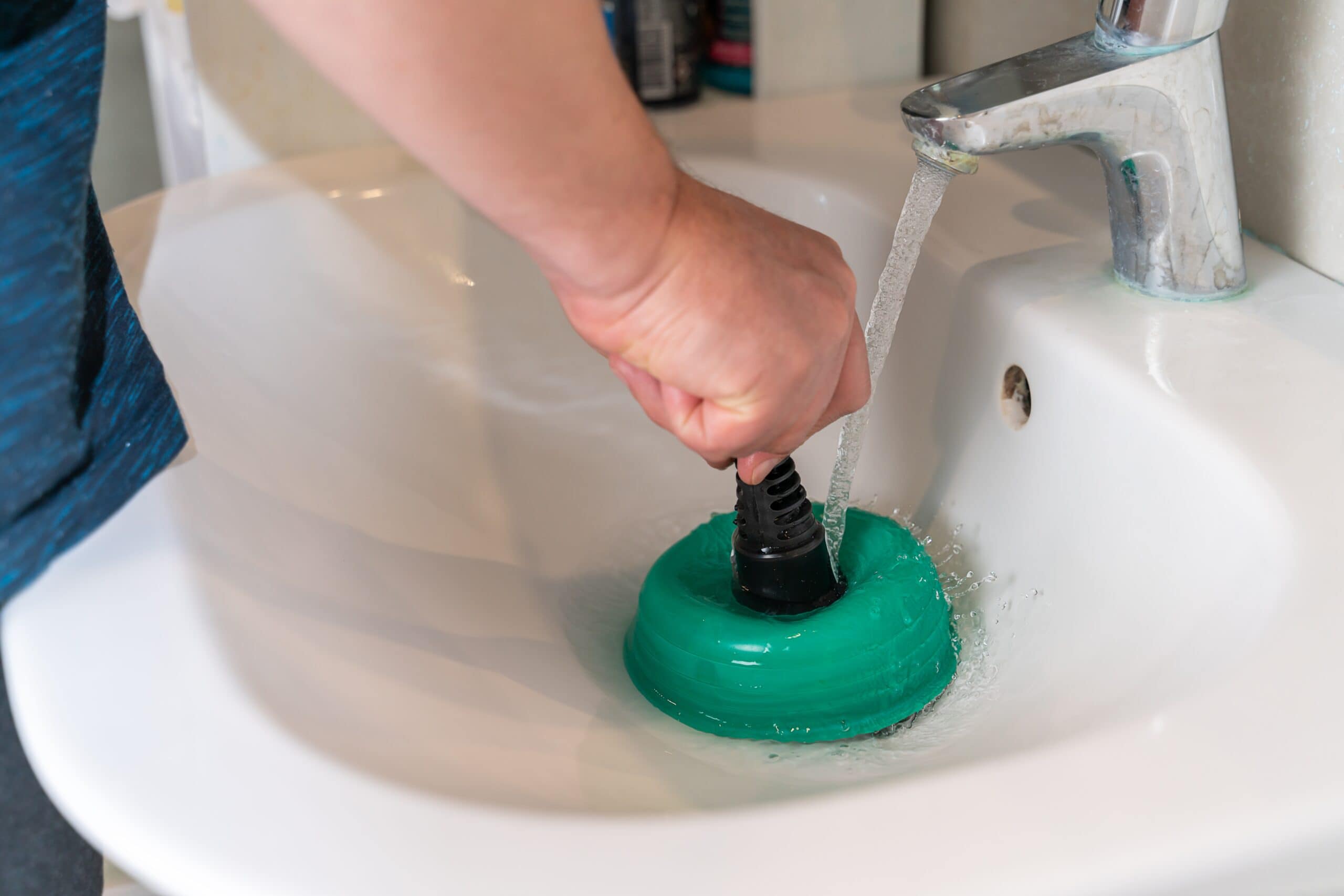
Plungers are often underestimated, but when used correctly, they can be one of the most effective tools for clearing minor to moderate drain blockages. The key to success is using the right type of plunger and applying the correct technique to create enough pressure to dislodge the clog.
First, make sure you’re using the right plunger for the job. Sink plungers have a flat, shallow cup designed for flat drain openings, while toilet plungers include an extended flange that fits snugly into the toilet outlet and creates a much tighter seal.
Before you start plunging, ensure the plunger fully covers the drain opening and that there’s enough water in the sink, shower, or toilet to completely submerge the rubber cup. The water helps create suction and pressure, which is what actually moves the blockage.
- When plunging, push down slowly at first. This allows trapped air to escape and prevents splashing.
- Then pull up sharply while keeping the seal intact.
- Continue with short, forceful up-and-down movements without breaking the seal. This repeated pressure helps loosen the blockage and move it through the pipe.
You’ll often notice the water starting to drain more quickly as the clog breaks apart. Once the water flows freely, run the tap for a short time to make sure the blockage has fully cleared.
💡If plunging doesn’t improve drainage after several attempts, it’s best to stop rather than force it. Persistent blockages may be deeper in the system and require a different DIY approach or professional attention.
4. Trying a Wire Hanger or Drain Snake
For blockages caused by hair or debris close to the drain opening, a simple wire coat hanger can be surprisingly effective. Straighten the hanger, leaving a small hook at one end, and carefully feed it into the drain. Use gentle twisting and pulling motions to catch and remove debris without forcing it further down the pipe.
If the blockage is deeper, a drain snake or hand auger from a hardware store is a better option. These tools are designed to reach further into the pipe and physically break up or pull out obstructions that boiling water or plunging can’t reach.
5. Chemical Drain Cleaners: Pros and Cons
Chemical drain cleaners are widely available, affordable, and can offer a quick fix for minor clogs. However, they come with drawbacks. The harsh chemicals can damage pipes over time, especially with frequent or incorrect use, and can pose health and environmental risks.
While they may temporarily improve drainage, they rarely solve deeper or recurring blockages. For this reason, natural methods should always be tried first, with chemical cleaners reserved as a last resort, and used strictly according to the manufacturer’s instructions.
How to Prevent Future Blockages
The best way to deal with blocked drains is to stop them from happening in the first place. A few simple habits and low-cost tools can make a big difference to how well your plumbing performs long term. Here’s how you can reduce the risk of future blockages and keep drains flowing freely.
1. Use Sink Strainers and Drain Covers
Sink strainers and drain covers are one of the easiest and most effective prevention tools you can use. These mesh covers sit over plugholes in sinks, showers, and bathroom vanities, catching food scraps, hair, and soap scum before they enter your pipes.
They’re inexpensive, easy to clean, and available at most hardware stores. Some designs are slightly raised, allowing water to flow freely while still trapping solid debris. Cleaning them regularly only takes a few seconds and can prevent weeks of plumbing trouble.
2. Never Pour Grease or Oil Down the Sink
Cooking fats, oils, and grease are a leading cause of stubborn drain blockages. While they may look harmless when hot, they cool and harden inside pipes, trapping other waste and forming solid blockages often referred to as “fatbergs.”
Instead:
- Let the grease cool completely in a container
- Pour it into a sealed jar or disposable container
- Wrap it in a bag before placing it in the bin to prevent leaks
- For small amounts, soak it up with paper towels and dispose of them in the rubbish
This one habit alone can dramatically reduce kitchen drain issues.
3. Flush Drains Weekly With Hot Water
A simple weekly flush with hot (or boiling, where safe) water helps dissolve soap scum and light grease buildup before it has a chance to harden. This is especially helpful for kitchen sinks.
For extra effectiveness, add a small amount of grease-cutting dishwashing detergent before flushing. This routine maintenance can stop minor residue from turning into a serious blockage.
4. Brush Hair Before Showering
Hair is one of the biggest causes of bathroom drain blockages. A quick brush before showering removes loose strands that would otherwise wash straight into the drain.
Keeping a brush in the bathroom as a reminder is a simple but effective habit, particularly for households with long or thick hair.
5. Be Careful What You Flush
Toilets and sewer systems are designed to handle human waste and toilet paper only. Flushing anything else significantly increases the risk of blockages and plumbing damage.
And, despite marketing claims, wet wipes (even those labelled “flushable”) do not break down properly. Items like nappies, sanitary products, cotton buds, paper towels, dental floss, and wipes are all common causes of toilet blockages.
6. Kitchen Drain Prevention Tips
Kitchen drains deal with a lot of waste every day, which makes them especially prone to blockages if a few simple precautions aren’t taken.
- Always use a sink strainer to catch food scraps before they enter the drain. Mesh strainers are particularly effective at trapping small particles that can otherwise accumulate over time.
- Avoid washing coffee grounds, rice, pasta, and fibrous foods down the sink. These items may seem harmless, but they expand, clump together, or tangle inside pipes, making blockages more likely.
- Run hot water after using the sink, especially after washing dishes. This helps flush away leftover residue and slows the buildup of grease and soap scum inside the pipes.
- Use garbage disposals sparingly if you have one. They’re designed for small amounts of soft food waste, not as a replacement for the bin. Avoid hard, starchy, or stringy materials such as bones, corn husks, onion skins, or celery, as these can strain the unit and clog pipes further down the line.
7. Bathroom and Toilet Protection
Bathrooms are another common trouble spot, particularly due to hair, soap, and hygiene products.
- Install hair catchers in showers and bathroom sinks to prevent loose hair from washing straight into the drain. Hair is one of the leading causes of bathroom blockages and can build up surprisingly quickly.
- Regularly remove and clean hair and soap residue from drain covers. A quick clean every few days helps maintain good water flow and prevents buildup from hardening inside the pipes.
- Dispose of hygiene products in the bin, not the toilet. Items such as sanitary pads, tampons, cotton buds, wipes, and tissues do not break down properly and can easily cause toilet blockages and sewer issues.
8. Outdoor Drains and Long-Term Care
Blocked drains don’t always start inside the home. In many cases, problems develop outdoors and can gradually work their way into your plumbing system, which is why external drain maintenance is just as important as what you do inside.
- Clear leaves, dirt, and debris from gutters and stormwater drains, especially before heavy rain or during autumn
- If blockages keep returning, tree roots may be entering underground pipes
- Older homes are particularly vulnerable and may benefit from professional solutions like root treatments or pipe relining
For peace of mind, consider periodic professional inspections. A CCTV drain camera inspection every couple of years can identify early-stage issues such as root intrusion, corrosion, or pipe damage before they turn into costly emergencies.
When to Call a Professional Plumber
While many minor drain issues can be handled with DIY methods, there are times when calling a professional plumber is the smartest and even safest option. Knowing when to step back can save you time, money, and prevent bigger problems down the track.
- Recurring or Severe Blockages: If your drains keep clogging despite regular cleaning or DIY fixes, it’s a strong sign that the problem runs deeper than surface buildup. Ongoing blockages often point to issues such as damaged pipes, tree root intrusion, or structural faults within the drainage system.
- Foul Smells or Gurgling Sound: Persistent gurgling noises from drains usually mean trapped air or pressure problems in your plumbing system. These sounds are often early warning signs of more serious issues ahead. Strong sewage smells or rotten egg odours are even more concerning and can indicate sewer line blockages or venting problems. In these cases, professional attention is important to prevent health risks and further damage.
- Water Backing Up in Multiple Drains: Water backing up in more than one drain is a major red flag. This typically means there’s a blockage in the main sewer line, leaving wastewater with nowhere to go. You might notice toilet water rising when you use the shower, or sink water backing up elsewhere in the house. Situations like this require urgent professional help to avoid raw sewage exposure, unpleasant mess, and potential damage to your home.
How Much Does It Cost to Unblock a Drain?
The cost of unblocking a drain can vary depending on how severe the blockage is and what’s required to clear it. Minor clogs are usually quicker and more affordable to fix, while more stubborn blockages may require specialised equipment such as high-pressure water jetting or drain cameras to locate the problem.
Call-out timing can also affect pricing. Emergency visits or after-hours services typically cost more than standard appointments, particularly if urgent action is needed to prevent damage or health risks.
While professional drain clearing does involve an upfront cost, it often proves more cost-effective in the long run. When DIY fixes no longer work, an experienced plumber can accurately diagnose the underlying issue, use the right tools to fix it properly, and help prevent the same problem from returning.
Keeping Your Drains Flowing Smoothly
Blocked drains don’t have to become a recurring headache. With the right approach, many minor clogs can be handled safely at home. Techniques like boiling water flushes, baking soda and vinegar, and proper plunging can often restore flow quickly, saving you time and unnecessary call-outs for small issues.
Prevention, however, is your best long-term defence. Simple habits such as using drain strainers, disposing of grease correctly, brushing hair before showering, and flushing drains regularly with hot water can significantly reduce the risk of future blockages.
That said, when blockages keep returning, unpleasant odours won’t go away, or water starts backing up across multiple fixtures, it’s a clear sign that professional help is needed.
That’s where we come in.
Our experienced plumbing team provides fast, reliable, and affordable solutions for everything from stubborn blocked drains to urgent plumbing emergencies. We’ll identify the root cause, fix the issue properly, and help prevent it from happening again, giving you peace of mind and long-lasting results.
Don’t wait for a small problem to turn into a costly repair. Get in touch today to book a professional inspection or drain clearing service you can trust.