
Most of us don’t think twice about what’s in our water. It’s treated, cleaned, and sanitised before it reaches your home, so it’s safe to drink and use every day. But while it meets health standards, that doesn’t mean it’s free from everything else.
Across Australia, water hardness can vary significantly from one region to another. This often overlooked difference comes down to naturally occurring minerals like calcium and magnesium. As water travels through rock and soil, it slowly absorbs these minerals, which then continue through your plumbing system.
Over time, those same minerals begin to deposit inside pipes, fittings, and appliances, restricting water flow, reducing efficiency, and ultimately wreaking havoc on your plumbing system and household appliances. In fact, hard water is one of the most common, but least recognised, causes of long-term plumbing damage.
In this guide, we’ll break down what hard water really is, how it affects your home’s plumbing, and what you can do to protect your system before small issues turn into costly repairs.
Key Takeaways
A professional plumbing inspection can determine the severity of hard water damage and identify the most suitable treatment option for your home. |
What Is Hard Water and How Is It Measured?
Hard water refers to tap water that contains a high concentration of dissolved minerals, primarily calcium and magnesium carbonates. These minerals aren’t added at the treatment stage but rather naturally picked up as water moves through underground rock formations on its way to your supply.
💧 Rainwater actually starts out “soft,” but as it filters through limestone, chalk, and other mineral-rich ground, it gradually absorbs these elements before reaching your home.
The level of water hardness is measured in milligrams per litre (mg/L) of calcium carbonate equivalent. This scale helps determine how much mineral content is present in your water and how likely it is to cause scaling and plumbing issues over time.
In general, water is classified as follows:
| Water Hardness Level | Range (mg/L) | Description / Effects |
| Soft water | 0–60 mg/L | Minimal mineral deposits, soap lathers easily, and plumbing systems experience very little scaling. |
| Moderately hard water | 60–120 mg/L | Some scale may begin to form on fixtures and appliances over time. |
| Hard water | 120–180 mg/L | Noticeable limescale buildup, reduced appliance efficiency, and more frequent cleaning required. |
| Very hard water | 180+ mg/L | Heavy scaling, visible residue on surfaces, and a shortened lifespan for plumbing systems and appliances. |
How Water Hardness Varies Across Australia
Water hardness isn’t consistent across the country. It changes significantly depending on local geology and where your water is sourced. As water moves through different landscapes, it picks up varying levels of dissolved minerals like calcium and magnesium, meaning what comes out of your tap in one city can be very different to another.
In Melbourne, for example, the metropolitan water supply typically falls within the moderately hard range at around 60–80 mg/L. This is largely due to its reliance on protected catchments such as the Yarra and Thomson reservoirs, where mineral content remains relatively low.
However, this changes once you move into regional Victoria, where many communities rely on groundwater aquifers. These sources often contain higher mineral concentrations, with hardness levels that can exceed 120 mg/L.
On a broader scale, Western Australia and South Australia are known for having some of the hardest tap water in the country. Cities like Perth and Adelaide frequently record levels above 130 mg/L, leading to more noticeable scaling and mineral buildup in homes and appliances. In contrast, Tasmania and parts of Victoria tend to enjoy some of the softest water supplies, with readings in cities like Hobart and Melbourne sometimes as low as 5–30 mg/L.
The Damage Hard Water Does to Your Plumbing
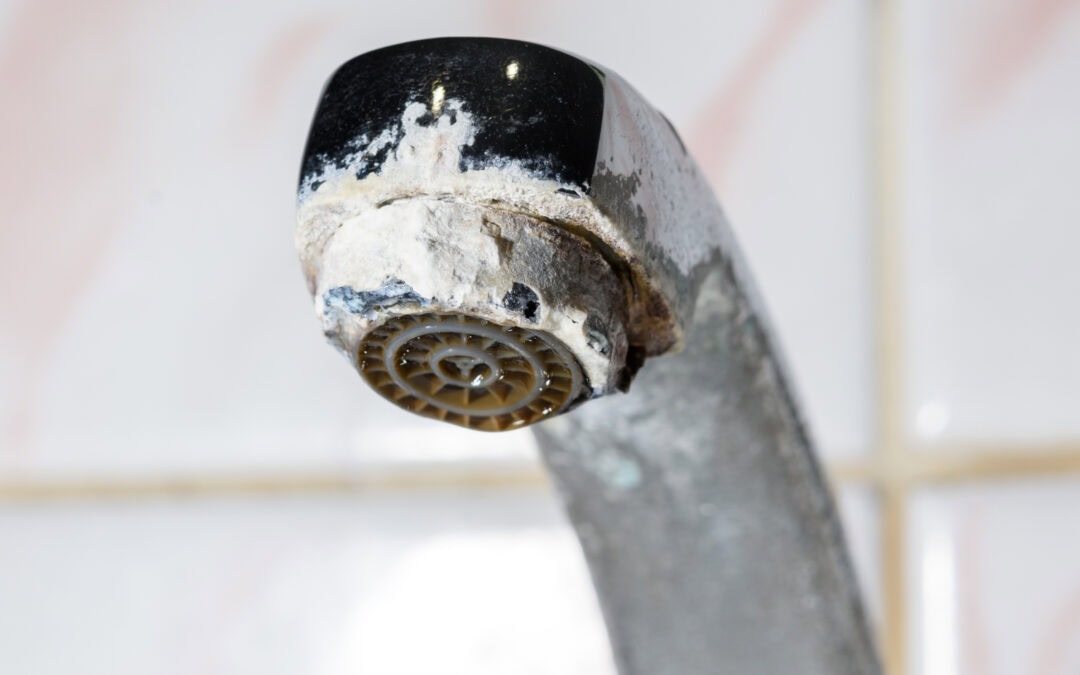
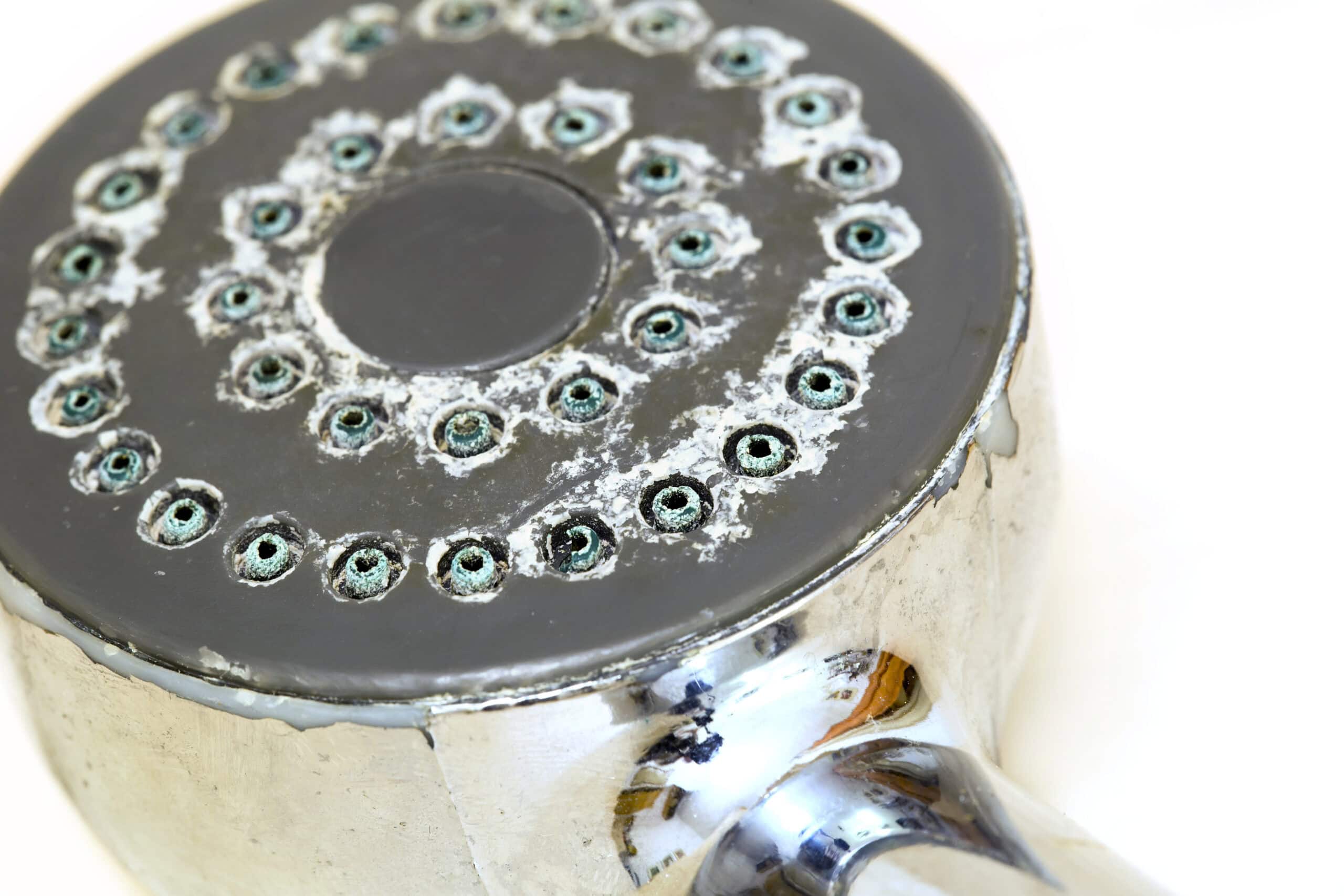
Hard water damage starts with limescale, is the visible result of dissolved calcium and magnesium minerals leaving the water and binding to surfaces. It happens when water is heated or evaporates, causing these minerals to precipitate out and stick to whatever they’ve been flowing through.
Inside your plumbing system, this process never really stops. Each layer of scale is thin, but over months and years, those layers build into a hardened crust that can reshape your entire system and stunt its performance.
Pipe Bore Restriction and Blockages
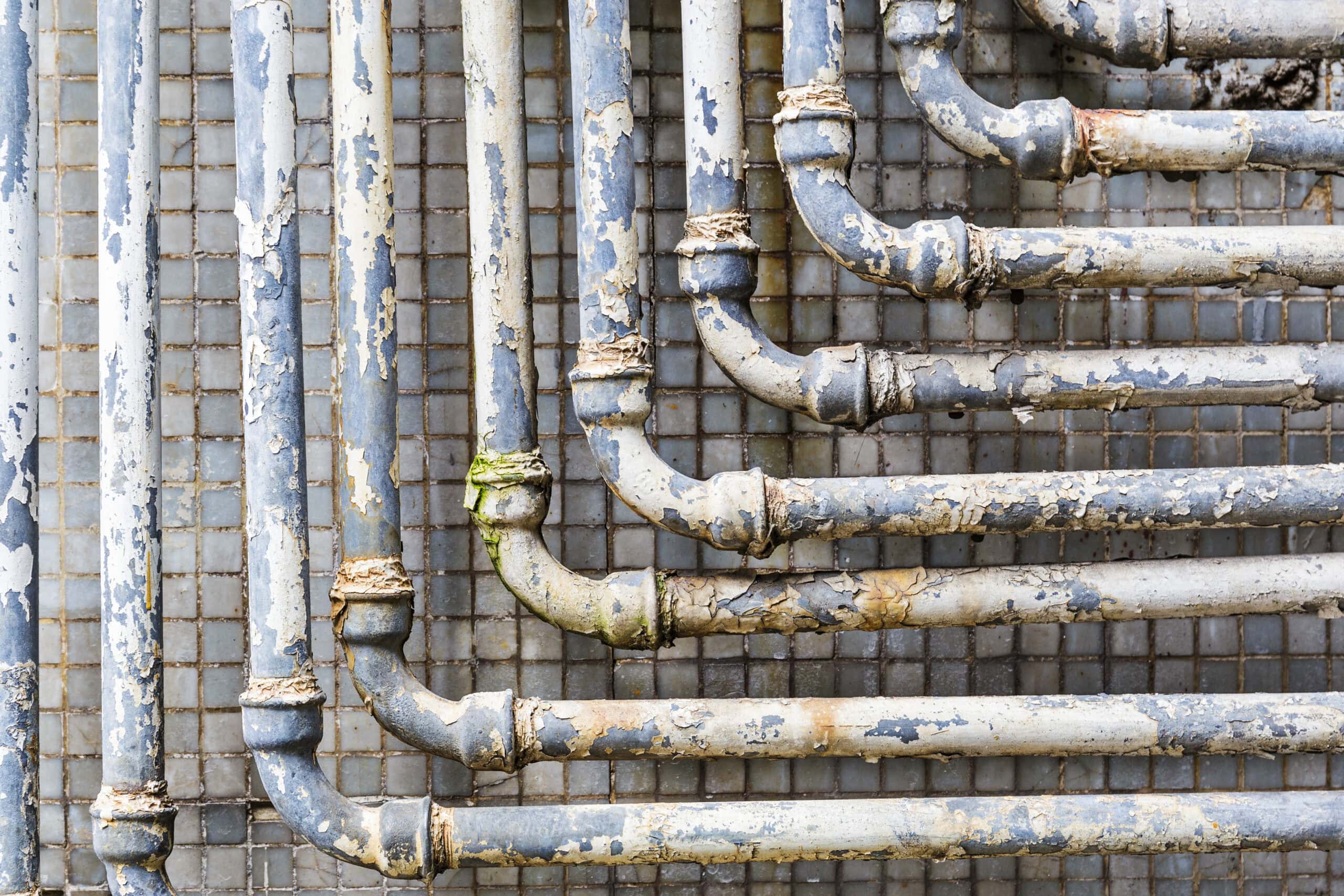
One of the most common impacts of limescale is the gradual narrowing of pipework. Like plaque in an artery, scale reduces the internal diameter of pipes. Even a small reduction in bore size can noticeably restrict water flow under normal pressure, leaving taps, showers, and appliances underperforming.
The issue is most pronounced in bends, junctions, and narrow components such as tap aerators and showerheads. These areas naturally disrupt flow, making them prime locations for mineral deposits to settle and harden over time.
Corrosion in Older Plumbing Systems
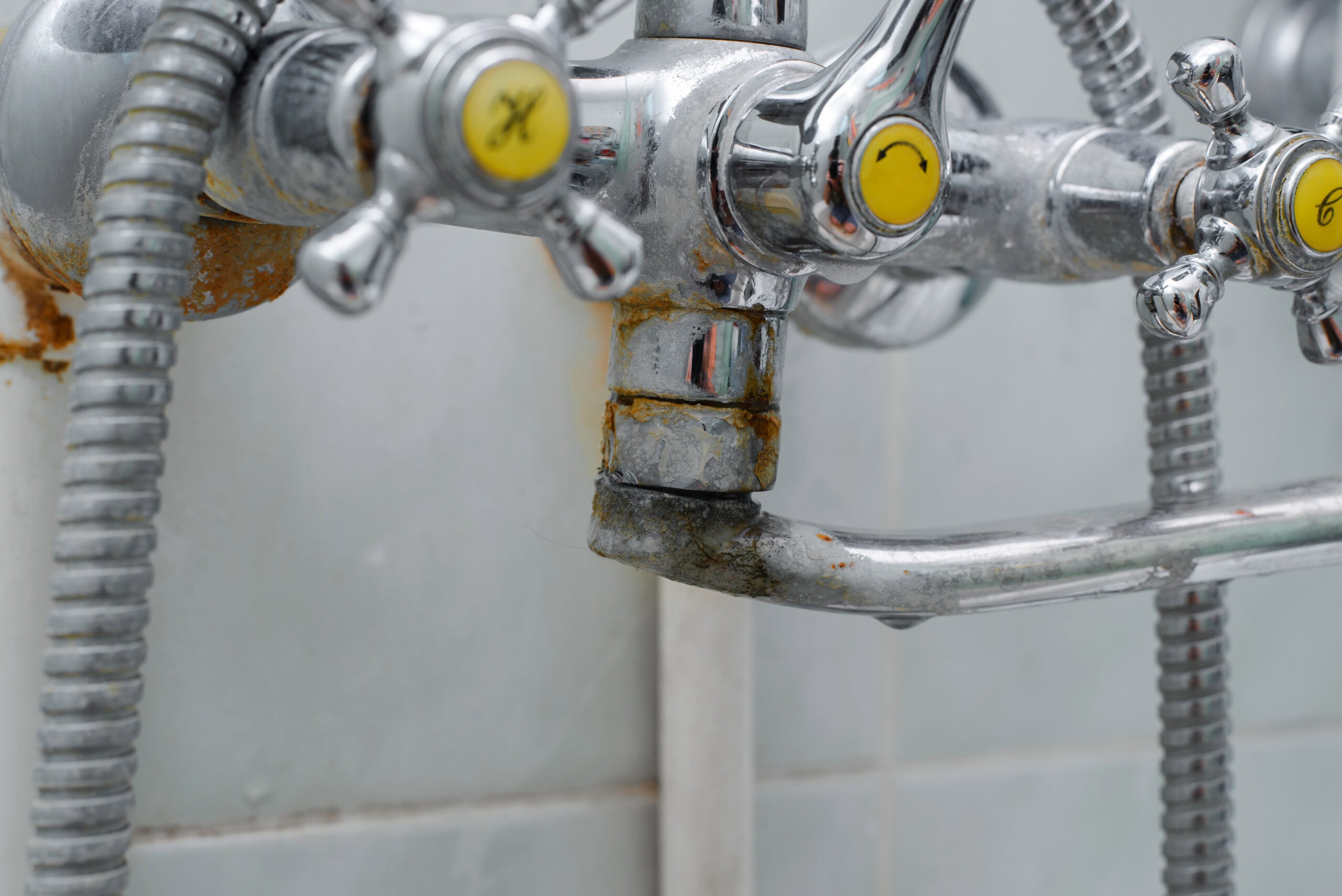
While hard water doesn’t directly “eat away” at pipes in the way acidic water does, it plays a indirect role in accelerating this corrosion. In systems where different metals are present, such as copper joined to galvanised steel, the mineral content in hard water acts as a conductor. This speeds up galvanic corrosion at connection points, weakening joints over time.
Homes with older plumbing systems are particularly vulnerable, especially those with ageing copper or galvanised steel pipework. In these cases, hard water increases the likelihood of leaks and system failures developing at the weakest points.
Increased Wear on Seals, Washers, and Joints
Hard water also shortens the lifespan of the smaller components that keep your plumbing system functioning day to day. Mineral deposits form around rubber washers, seals, and O-rings, causing them to harden, crack, and lose flexibility much faster than they would in soft water conditions.
This causes ripping taps, leaking fixtures, and toilet mechanisms that no longer seal properly. While these issues are often minor individually, they tend to recur more frequently, leading to ongoing repair cycles that add up over time.
What Hard Water Does to Your Hot Water System
Hot water systems are often the most affected by hard water. This is because heat speeds up the process that causes minerals like calcium and magnesium to turn into limescale. As a result, buildup forms faster inside hot water tanks and heating components than it does in cold pipes.
Once limescale covers the heating element, it works like a layer of insulation. Instead of heating the water directly, the system has to work harder and run longer to reach the right temperature. This puts extra strain on the unit and increases your energy use, whether your system runs on electricity or gas. Even a small amount of scale, around 6 mm, can reduce efficiency by up to 40%!
Over time, sediment also collects at the bottom of the tank. This means there is less space for hot water, which is why many homeowners notice they are running out of hot water faster than before.
If this buildup isn’t cleaned out regularly, it can eventually damage the heating element and shorten the lifespan of the entire system. Hot water units in hard water areas that don’t receive maintenance often fail earlier than expected.
Warning Signs That Hard Water Is Affecting Your Home
Hard water doesn’t usually cause sudden, obvious failures. Instead, the signs build up over time, which is why many homeowners mistake them for unrelated maintenance issues.
Some key signs include:
- Chalky white or grey buildup around taps, showerheads, tile grout, and kettle elements
- Noticeably reduced water pressure from fixtures that used to run strongly
- Soap that doesn’t lather properly in the shower, sink, or washing machine
- Laundry that feels stiff or scratchy even after a normal detergent cycle
- Higher energy bills without any clear increase in water or electricity usage
- Gurgling, rumbling, or unusual noise coming from the hot water system during heating
- Appliances such as dishwashers and washing machines wearing out or failing earlier than expected
What These Signs Are Really Telling You
The most obvious red flag is the chalky residue you can see on taps, shower screens, and appliances. This is limescale, and if it’s visible on external fixtures, it’s already forming inside your pipes and appliances where you can’t see it. In most cases, the visible buildup is only a small part of the overall issue.
Water pressure changes are another telltale sign. If only one fixture is affected, the issue is usually localised, such as a clogged showerhead or tap aerator filled with mineral deposits. However, if you notice reduced pressure throughout the entire home, it may indicate that scale is building up inside the plumbing system itself and beginning to restrict flow.
These early signs are easy to overlook, but they’re often the first warning that hard water is starting to impact your plumbing, appliances, and overall household efficiency.
How to Test for Hard Water at Home
If you’re unsure whether hard water is affecting your home, there are a few simple ways to check before calling in a professional. While these methods won’t replace a full plumbing assessment, they can give you a clear indication of whether mineral buildup could be the cause of ongoing issues.
The Soap Bottle Test
A basic soap test gives a rough indication: fill a clear bottle with tap water, add a few drops of dish soap, shake it vigorously, and observe. Soft water produces a thick, lasting foam. Hard water produces a thin, quickly-dissipating lather with a cloudy or milky appearance at the bottom.
At-Home Test Strips
For a more reliable reading, hardware stores and online suppliers stock inexpensive test strips that measure hardness in mg/L. These give a useful ballpark, though they are not laboratory-grade.
Check Your Local Water Quality Report
If you’re connected to a municipal water supply, your local water authority regularly tests and publishes water quality data, including mineral content. These reports can usually be found on your provider’s website and will give you the most accurate overview of your area’s typical water hardness levels.
When to Take It Further
If you’re on tank water, bore water, or a rural supply, don’t assume your water matches city averages. Hardness can vary significantly even within the same region. And if you’re already noticing issues like soap scum, scaling, or appliance wear, it’s worth having a plumber carry out a professional hardness test with calibrated equipment for a precise reading and tailored recommendations.
Practical Solutions for Hard Water
The right solution for hard water depends on how severe the issue is and what condition your plumbing system is already in. There’s no one-size-fits-all fix, and what works for a lightly affected home may not be enough for a property with years of mineral buildup.
Water Softeners
A whole-home water softener is the most effective way to manage hard water long-term. Installed at the main water inlet, it uses ion exchange to remove calcium and magnesium before water enters your plumbing system, preventing scale from forming in pipes, fixtures, and appliances.
While there are upfront installation and ongoing salt costs, it often works out cheaper over time in homes with persistent hard water issues by reducing repairs and extending the life of appliances and plumbing systems.
Descaling Treatments for Existing Plumbing
If scale has already built up, it needs to be removed before prevention strategies will work effectively. Licensed plumbers can flush and descale pipework and hot water systems using specialist solutions that dissolve calcium deposits without damaging pipes.
This is especially important for hot water systems, where descaling the tank and heating elements can restore efficiency and extend the unit’s lifespan.
Whole-Home Filtration Systems
Whole-home filtration systems are installed at the main water line to treat all incoming water before it reaches your taps.
While they don’t fully soften water like ion-exchange systems, they can reduce sediment, chlorine, and some mineral content, helping to slow scale buildup and improve overall water quality. They are often a practical middle-ground solution for homes with mild to moderate hard water.
How Crawford Plumbing Can Help
Hard water problems are really a mix of two things: what’s in your water, and how that water behaves once it’s inside your plumbing system. Solving them means looking beyond what you can see at the tap and understanding what’s happening inside your pipes, hot water system, and fixtures.
Crawford Plumbing helps homeowners across Victoria identify and manage the effects of hard water, then put the right solutions in place. Key services include:
- Hot water system inspection and servicing, including descaling, element replacement, and assessment of scale damage
- Leak detection to identify corrosion and joint failures accelerated by hard water
- Tap and toilet repairs for fixtures affected by scale-damaged seals and components
- Blocked drain diagnosis where scale and pipe restriction are impacting flow
If you’re not sure whether hard water is the problem, a professional plumbing inspection is the best place to start. It takes the guesswork out and shows exactly what’s happening inside your pipes, appliances, and hot water system, so you can choose the right solution instead of wasting time and money on the wrong fix.
Book a plumbing inspection today and get clear answers about your home’s water.
Protecting Your Home From Hard Water Damage
Hard water damage is gradual and easy to underestimate. If your fixtures are scaling, your hot water system is working harder than it used to, or your taps are dripping more than they should, they’re often signs of a larger problem building inside your plumbing system.
The longer it goes unaddressed, the more it can impact water pressure, energy efficiency, and the lifespan of your appliances and pipes. The good news is that once you understand what’s causing it, there are clear and effective ways to manage it and prevent further damage.
From routine descaling and basic maintenance through to whole-home filtration or water softening systems, the right solution will depend on your property’s water hardness and plumbing condition. What matters most is taking action as soon as possible.
If you’ve noticed any of these signs, Crawford Plumbing can help identify the cause and recommend the most effective solution for your home before small issues turn into costly repairs.
