
Your tap water is supposed to flow in one direction: from the mains, through your pipes, and out of your fixtures. But under certain conditions, that flow can reverse. When it does, contaminated water from your property (or someone else’s) can be drawn back into the clean drinking water supply. This is called backflow, and it is one of the most serious risks in any plumbing system.
Backflow prevention stops this from happening. It is a combination of mechanical devices and plumbing design that creates a physical barrier between your property’s water system and the public supply. For most Australian property owners, it is also a legal requirement.
In this guide, we break down exactly how backflow works, what backflow prevention devices are available, who needs them, and what your responsibilities are as a property owner.
Key Takeaways
|
What Is Backflow? Understanding the Basics
In a properly functioning plumbing system, water moves in a single direction. Clean water flows from the municipal supply into your property, and wastewater exits through a separate drainage system. Backflow is what happens when the intended direction of flow reverses.
When water flows backward, it can pull substances from your property’s plumbing (chemicals, fertilisers, bacteria, sewage) into the clean water supply. This does not just affect your property. It can contaminate the broader public water network.
There are two main types of backflow:
- Backpressure occurs when the pressure on your property’s side of the system exceeds the pressure in the mains supply. This can happen with boiler systems, pumps, or elevated storage tanks that push water back toward the supply line.
- Backsiphonage occurs when a sudden drop in supply pressure creates a vacuum effect that draws water backward. Think of it like drinking through a straw and then releasing the suction. Common causes include water main breaks, heavy firefighting demand, or burst pipes in the street.
What Is Backflow Prevention?
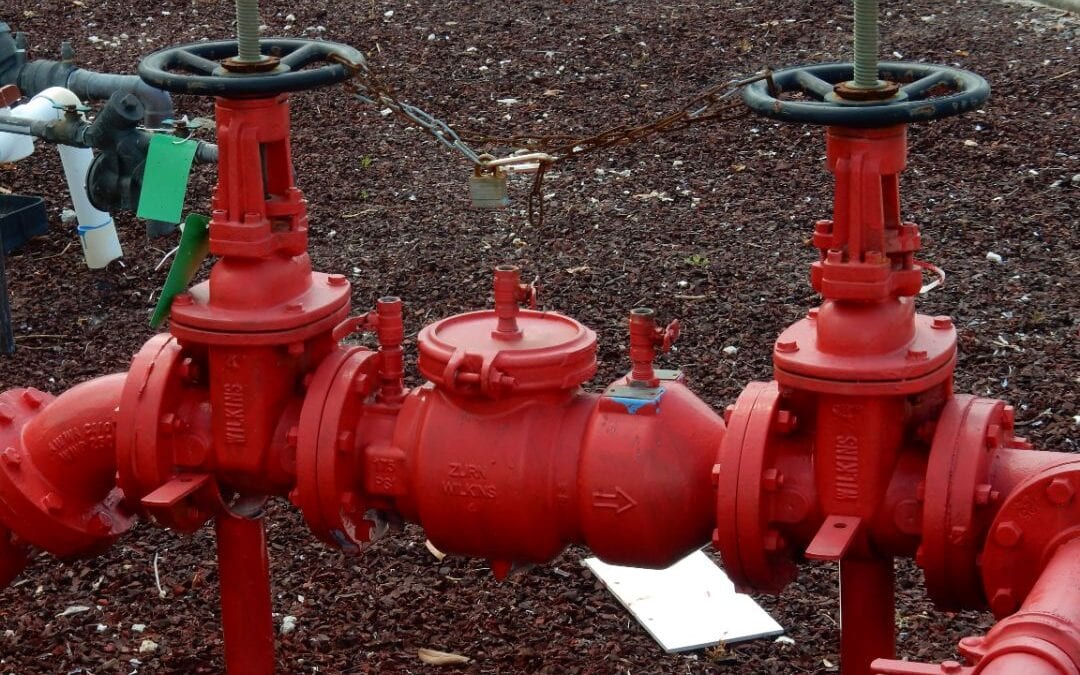
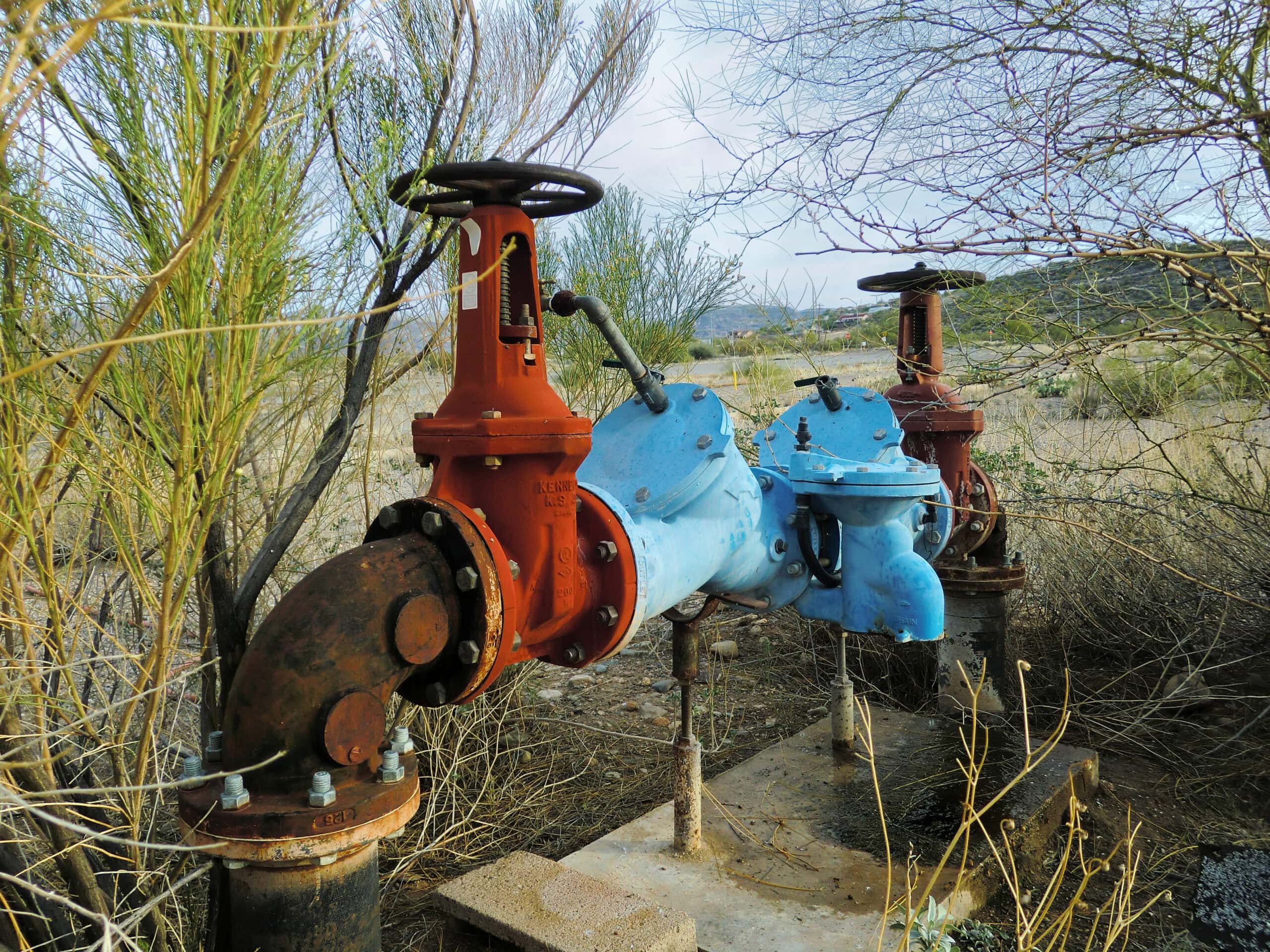
Backflow prevention is the use of mechanical devices and plumbing design to stop water from flowing backward into the potable (drinking) water supply. These devices sit on the water line and act as a one-way gate, allowing water to flow into your property but physically blocking it from returning.
Prevention devices protect two things at once: your property’s internal water quality and the municipal water supply that serves your neighbours and community. Without them, a single property with a cross-connection (an unprotected link between clean and potentially contaminated water) can put an entire neighbourhood at risk.
Whether you own a home or a commercial building, backflow prevention is not optional in most Australian states. The specific device you need depends on your property’s assessed hazard level.
How Backflow Happens in Everyday Situations
Backflow is not limited to industrial settings or rare emergencies. It can happen in any home or business under the right conditions.
- Municipal Pressure Changes: When your local water authority performs maintenance on the mains, or when a pipe bursts nearby, the pressure in the supply system can drop suddenly. If your property has a pump or any pressurised system, that pressure difference can force water from your side back into the mains.
- Common Household Triggers: A garden hose submerged in a swimming pool. An irrigation system connected directly to the mains. A hand-held shower head left sitting in a filled bathtub. Each of these creates a potential path for contaminated water to be drawn backward if pressure drops at the wrong moment.
- When Plumbing Systems Overlap: One of the most overlooked risks happens where different plumbing systems interact, particularly where water supply and drainage systems sit close together or are indirectly connected. Fixtures like sinks, basins, laundries, and floor wastes often combine incoming clean water with wastewater removal in the same area.
- Commercial and Industrial Risks: Restaurants, medical facilities, car washes, factories, and laundries all handle substances that pose a serious contamination risk. Chemical storage areas connected to water lines, cooling towers, boiler systems, and fire suppression equipment are all high-risk scenarios that require robust backflow prevention.
Types of Backflow Prevention Devices
Not all backflow prevention devices are the same. The right device for your property depends on the level of risk (hazard rating) your plumbing system presents to the water supply. Here is a breakdown of the most common types used in Australia:
|
Device |
How It Works |
What It Does |
Hazard Rating |
Common Use |
|
Air Gap |
Physical gap between the water outlet and the flood level of a fixture or tank |
Creates a complete physical break between clean water and potentially contaminated water, making backflow impossible |
High |
Tanks, tundishes, industrial supply |
|
RPZ Device |
Two check valves with a pressure-monitored relief valve between them |
Actively detects pressure changes and safely releases water before contaminated water can flow backward into the supply |
High |
Hospitals, restaurants, chemical plants |
|
Double Check Valve (DCVA) |
Two independent non-return valves in series, testable |
Stops reverse water flow by using two barriers that prevent contaminated water from flowing back into the clean supply |
Medium |
Commercial buildings, fire services |
|
Pressure Vacuum Breaker |
Spring-loaded check valve with atmospheric air inlet |
Prevents siphoning by allowing air into the system when pressure drops, breaking any potential vacuum that could pull water backwards |
Low to Medium |
Irrigation systems |
|
Dual Check Valve (non-testable) |
Two spring-loaded checks in a compact body |
Provides basic protection by stopping small-scale backflow in standard residential water connections |
Low |
Standard residential meters (20mm and 25mm) |
The selection of devices and their application is governed by Australian Standard AS/NZS 3500.1 (Plumbing and Drainage) and AS/NZS 2845.1 (Backflow Prevention Devices). Your plumber will determine which device is appropriate based on a site-specific hazard assessment.
Where Backflow Prevention Is Required
In Australia, any property connected to the public water supply that presents a contamination risk must have a suitable backflow prevention device installed. The Australian Standard AS/NZS 3500.1 defines three hazard categories:
- High hazard: properties where contamination could cause death. Examples include hospitals, chemical manufacturing plants, and properties with direct connections between potable and recycled water systems.
- Medium hazard: properties where contamination could endanger health. This covers restaurants, multi-storey buildings, commercial laundries, and premises with fire hose reels or sprinkler systems.
- Low hazard: standard residential properties with minimal risk. Most homes with 20mm or 25mm meters have an integral dual check valve in the meter itself, but properties with irrigation systems, swimming pools, or rainwater tanks connected to mains may require additional protection.
In Victoria, the Victorian Building Authority (VBA) regulates backflow prevention work. Any plumber carrying out installation, testing, or maintenance of testable backflow devices must hold a specific Backflow Prevention registration in addition to their Water Supply licence.
Why Backflow Prevention Matters
Contamination events happen, and the consequences are serious:
- Health risks: contaminated backflow can introduce chemicals, pesticides, heavy metals, bacteria, and raw sewage into drinking water. Exposure can cause illness ranging from gastrointestinal infections to chemical poisoning.
- Legal obligations: backflow prevention is mandated under the Plumbing Code of Australia and enforced by local water authorities. Failure to install, maintain, or test required devices can result in penalties (up to $5,000 in some jurisdictions, plus daily fines for ongoing non-compliance) and potential disconnection of your water supply.
- Financial exposure: if a backflow event from your property contaminates the public supply, you could be held liable for remediation costs. This is a far greater expense than the cost of proper prevention.
- Environmental impact: contaminated water entering the mains can affect the broader network and any downstream environments connected to it.
Backflow Testing and Maintenance
Installing a backflow prevention device is only the first step. These devices contain moving parts (check valves, springs, relief valves) that wear over time. A device that passed testing last year may not function correctly today.
How Often Should Devices Be Tested?
In Australia, all testable backflow prevention devices (medium and high hazard) must be tested at least once a year. Testing is also required immediately after installation, after any repairs, and following a suspected backflow incident.
What Happens During a Backflow Test?
An accredited backflow plumber connects a calibrated differential pressure test kit to the device. They check that each internal valve is sealing correctly and, for RPZ devices, that the relief valve opens at the right threshold. The results are recorded and lodged with the relevant water authority within the required timeframe.
Signs Your Device May Be Failing
- Visible water leaking from the relief valve or body of the device
- Discoloured or unusual-tasting water at your taps
- Unexplained drop in water pressure
- Unusual noises coming from the device
If you notice any of the above, it’s important to act quickly. That’s where we come in. Our team can inspect, test, and diagnose the issue properly, so you’re not left guessing or risking a bigger problem down the line.
Delaying repairs doesn’t just increase the potential health risk. It can also lead to compliance issues, especially if your property is required to have a functioning backflow prevention system. Getting it checked early keeps your water safe and avoids unnecessary headaches later.
DIY vs. Professional Backflow Prevention
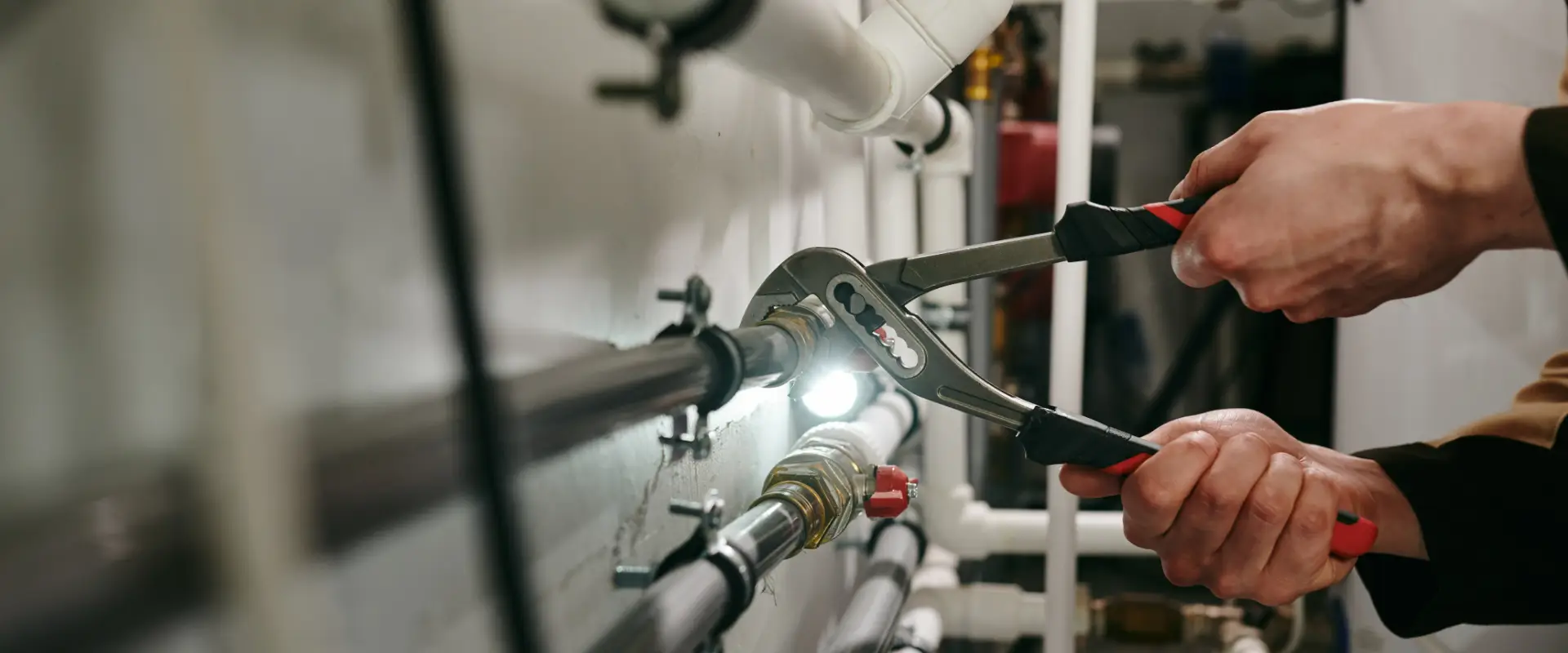
Backflow prevention isn’t an area where guesswork pays off, but that doesn’t mean there’s nothing you can do as a property owner. There’s a clear line between simple, responsible upkeep and work that legally requires a licenced professional.
What you can do yourself
Staying on top of the basics goes a long way in keeping your system compliant and functioning properly:
- Visually inspect your device for any obvious leaks, corrosion, or damage
- Keep the area around the device clear and easily accessible for testing and maintenance
- Track when your next annual test is due (especially if it’s a council requirement)
- Report any unusual changes early, like noise, pressure drops, or water quality issues
These small checks help catch problems early and make professional servicing faster and more efficient.
Where professionals come in
Anything beyond a basic visual check should be left to a qualified expert. Backflow prevention devices are technical, regulated, and critical to public health:
- Installation must be carried out by a licenced plumber to meet plumbing codes and standards
- Testing, particularly for medium and high hazard devices, must be completed by a plumber with specific backflow prevention accreditation
- In many regions (such as Victoria), this includes formal registration in the appropriate backflow prevention class
Why DIY isn’t worth the risk
DIY installation or repairs aren’t just risky, they’re typically not legal and won’t pass compliance checks. If something goes wrong, the consequences can be serious:
- Failed inspections or fines from local authorities
- Voided insurance or warranty claims
- Full liability if a contamination event occurs
In short, your role is to stay aware and proactive. Ours is to make sure everything is installed, tested, and certified properly, so your water stays safe and you stay compliant without the stress.
Common Backflow Problems and How to Avoid Them
- Aging devices: rubber seals, springs, and check valves degrade with use. Devices older than 10 to 15 years may need full replacement rather than repair. Do not wait for a failed test to find out.
- Incorrect installation: the wrong device for the hazard rating, poor positioning, or lack of adequate clearance for testing access are surprisingly common. Always work with a plumber who specialises in backflow prevention.
- Missed inspections: annual testing is easy to forget, especially for property managers handling multiple sites. Set calendar reminders or work with a plumber who offers automated testing reminders.
- Obstructed access: devices need to be physically accessible for testing. Do not build over them, bury them, or block them with landscaping or storage.
Backflow Prevention Regulations in Australia
Backflow prevention in Australia is governed by two key standards: AS/NZS 3500.1 (Plumbing and Drainage, Part 1: Water Services) and AS/NZS 2845.1 (Water Supply, Backflow Prevention Devices). The Plumbing Code of Australia (PCA 2022) provides the national framework that references these standards.
In Victoria, the VBA oversees compliance. Plumbers must hold Water Supply registration plus a Backflow Prevention endorsement to carry out testing and commissioning work. Property owners are responsible for ensuring the correct device is installed, tested on schedule, and maintained. Water authorities can (and do) disconnect supply for non-compliance.
Test certificates must be lodged with your water authority within the required timeframe. Keeping your own records is also recommended, as it protects you if a dispute arises.
Crawford Plumbing’s Backflow Prevention Services
At Crawford Plumbing & Air-Conditioning, backflow prevention is one of our core specialities. Our team is licenced and accredited to carry out every stage of the process, from initial site assessment through to annual testing and certification.
Our backflow prevention services include:
- Site hazard assessments to determine your property’s risk rating
- Device selection and installation (all hazard levels)
- Annual testing and compliance certification
- Repairs and replacements for faulty or aging devices
- Full compliance documentation lodged with your water authority
We service homes and businesses across Craigieburn, Wallan, Kilmore, Whittlesea, Epping, Bundoora, Mill Park, Thomastown, Doreen, Seymour, Heathcote, and surrounding areas throughout Victoria.
Not sure whether your property is compliant? We can assess your site, recommend the right device, and handle everything from installation to ongoing testing.
Call us on 0450 107 600 or get in touch to book your backflow prevention assessment today.

Protecting Your Water Supply Starts Here
A properly functioning backflow system safeguards your health by preventing contaminated water from entering your drinking supply. It keeps you compliant with local regulations, avoiding fines or failed inspections. And just as importantly, it plays a role in protecting the wider community’s water network, something every property owner contributes to, whether they realise it or not.
If you’re unsure where your property stands, you’re not alone. Many systems go unchecked for years, or were installed without the right level of protection in the first place. That’s where we come in.
At Crawford Plumbing, we take a clear, no-fuss approach. We’ll assess your current setup, let you know exactly what’s required (and what’s not), and handle everything from installation to testing and certification
If your device is due for testing, showing signs of wear, or you simply want peace of mind that everything is set up properly, get in touch with Crawford Plumbing. We’ll take it from here.
Frequently Asked Questions
What is backflow prevention?
Backflow prevention uses mechanical devices and plumbing design to stop water from flowing backward into the clean water supply. These devices act as one-way gates that protect both your property and the public water network from contamination.
How often does a backflow device need to be tested?
In Australia, testable backflow devices (medium and high hazard) must be tested at least once a year by an accredited plumber. Testing is also required after installation, after repairs, and following any suspected backflow event.
Do residential properties need backflow prevention?
Many do. If your home has an irrigation system, swimming pool, rainwater tank connected to mains water, or a solar hot water system, you may need a backflow prevention device installed. Standard homes with small meters (20mm or 25mm) typically have an integral device in the meter.
How much does backflow testing cost in Australia?
Annual backflow testing typically costs between $200 and $400 per device, depending on your location and property type. Installation costs vary more widely based on the device required.
Can I install a backflow prevention device myself?
No. Australian regulations require all backflow prevention devices to be installed by a licenced plumber. Testing must be carried out by a plumber with a specific backflow prevention accreditation.
What happens if I do not comply with backflow regulations?
Penalties vary by jurisdiction but can include fines of up to $5,000 (plus daily penalties for ongoing non-compliance), restriction or disconnection of your water supply, and personal liability for any contamination to the public water network.
