
A plumbing leak doesn’t always start with a burst pipe or water pouring through the ceiling. It starts small and easily missed; a rising water bill, a damp smell you can’t quite place, or a small stain that slowly spreads across your wall or ceiling.
By the time the damage becomes obvious, a hidden leak may have already been causing problems for weeks or even months. Some signs are more obvious than others, like a dripping tap or visible water pooling, while others can be much harder to spot, hiding behind walls, beneath floors, or underground.
So, what should you be looking for?
In this guide, we’ll walk through the 15 signs you may have a plumbing leak, what causes leaks in the first place, how to perform a simple water meter test at home, and when it’s time to call in a plumber.
Key Takeaways
|
Why a Plumbing Leak Is Worth Taking Seriously
A slow leak feels like a minor problem… until it isn’t. Water follows the path of least resistance, which often means moving behind walls, underneath flooring, or beneath concrete slabs where the damage can continue unnoticed.
Over time, even a minor leak can create serious issues throughout your home. Timber structures can begin to rot, plasterboard can weaken, flooring can warp, and ongoing moisture can create the perfect environment for mould growth. Once mould takes hold inside a wall cavity or hidden space, fixing the problem often requires more than simply stopping the leak, it may involve removing damaged materials and repairing the affected area.
The financial impact doesn’t stop at repairs either. A leak that wastes just a few litres of water every hour can quickly add up, leading to higher water bills for water that never gets used. What starts as a small drip can become an expensive problem if it’s left unchecked.
The Different Types of Plumbing Leaks
| Leak Type | Common Cause | How It’s Usually Found |
| Pipe leak | Corrosion, a failed joint or physical damage | Water stains, dripping sounds or a moving meter |
| Slab leak | A cracked or corroded pipe under the concrete slab | Warm patches on the floor, a moving meter, or unexplained damp carpet |
| Roof leak | Damaged flashing, cracked tiles or a failed roof penetration | Ceiling stains, especially after rain |
| Drain leak | A cracked pipe, tree root intrusion or a failed joint | Damp patches near the pipe run, odours, or a soggy patch in the yard |
| Hot water system leak | A failing tank, valve or fitting | Water pooling near the unit, or warm damp patches nearby |
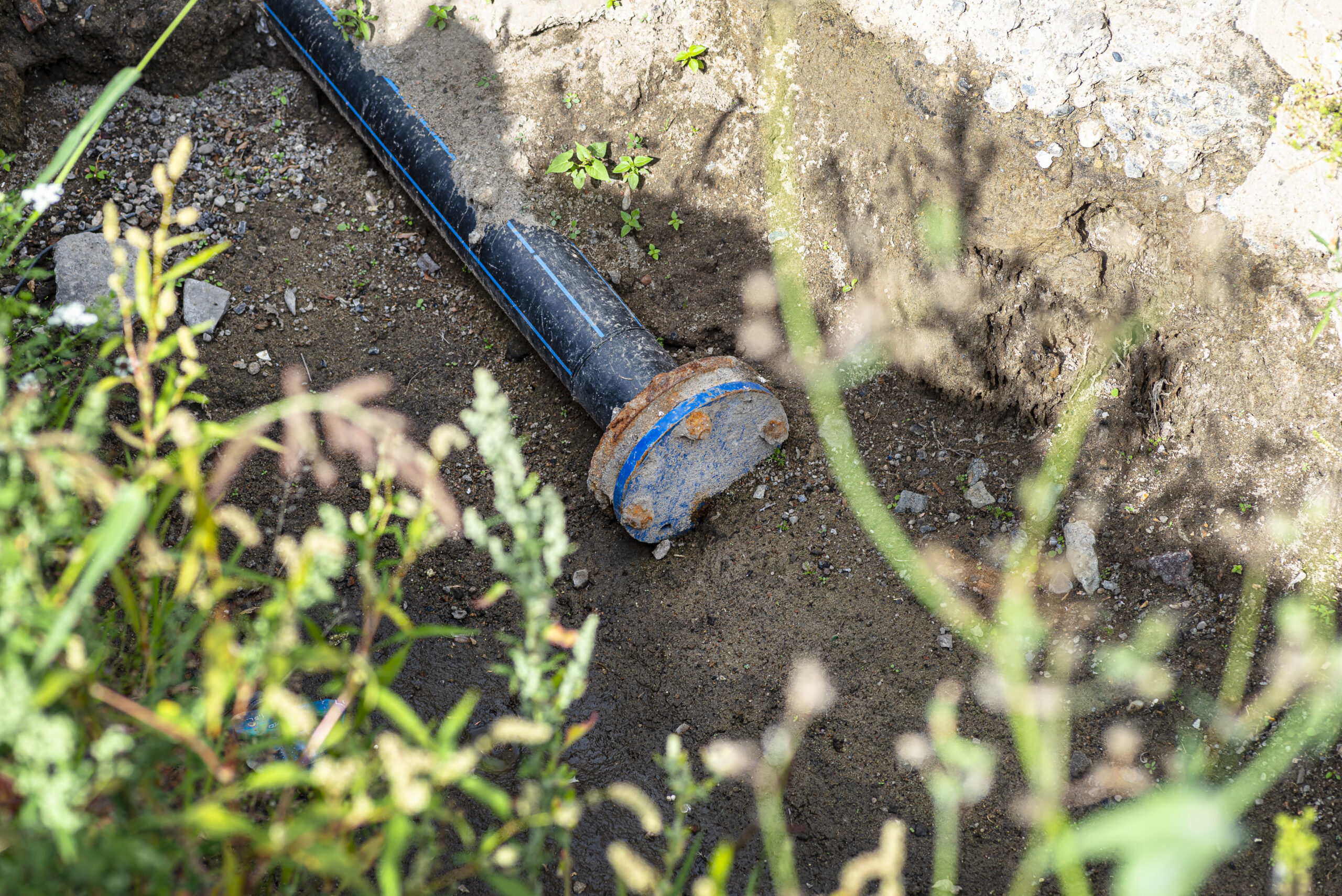
| Underground service leak | A cracked or corroded supply pipe | Wet or unusually green patches in the yard, often along the pipe route |
What Causes a Plumbing Leak?
Most leaks trace back to one of a handful of causes, and knowing which one you’re dealing with matters, because the fix is different each time.
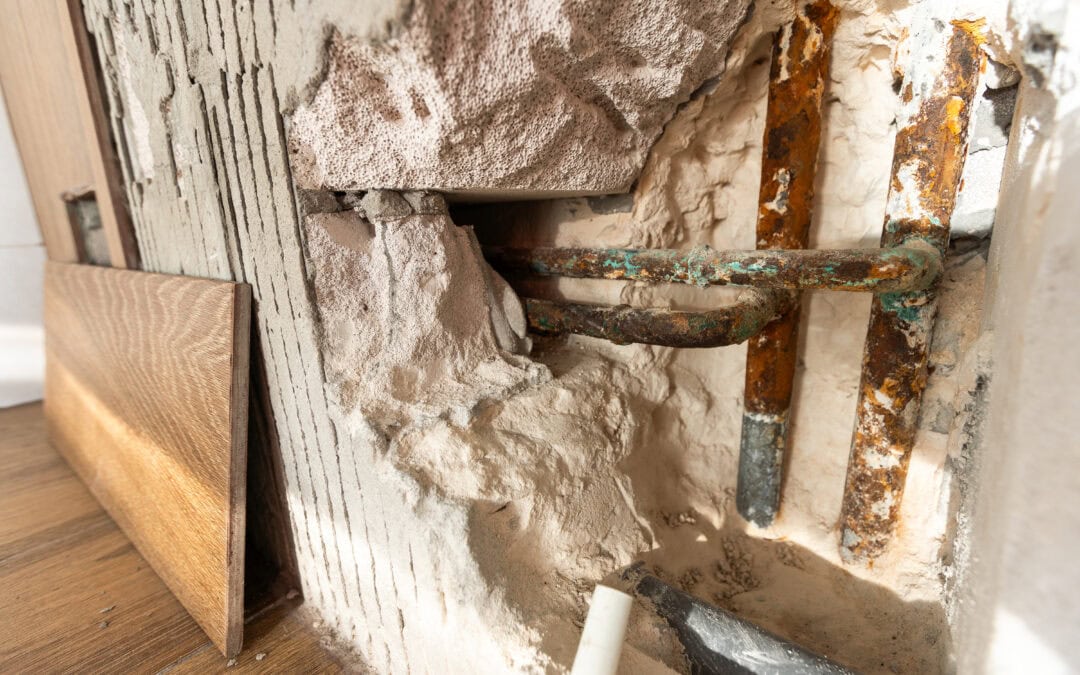
- Ageing and Corroded Pipes: Galvanised steel pipes were standard in Victorian homes built before the 1980s, and they don’t last forever. Corrosion builds up inside the pipe, restricts flow, and eventually creates pinhole leaks that can take months to show up as a visible sign.
- High Water Pressure: Pressure above 500 kPa puts ongoing strain on joints, fittings and older pipework. A pressure limiting valve is a cheap fix. Ignoring high pressure isn’t.
- Tree Root Intrusion and Blocked Drains: Roots find their way into sewer and stormwater lines through the smallest crack, then widen it as they grow. This is one of the more common causes of a drain leak specifically, rather than a leak inside the home’s water supply.
- Faulty Joints, Fittings and Past Workmanship: Not every leak is about age. A poorly sealed joint, an incorrectly sized fitting, or a shortcut taken during a past renovation can leak from day one or fail years later under normal wear.
What Happens If You Ignore a Leak?
Left alone, a small leak becomes a bigger job on its own schedule, not yours. Repair costs climb as the damage spreads from a single pipe to the plasterboard, flooring and structure around it. Mould gets a foothold and pests follow the moisture. Your water bill keeps climbing the whole time.
Some situations need a plumber immediately, not next week.
- A burst pipe or major water pooling inside the home
- A ceiling leak during heavy rain
- Any leak near electrical wiring or a switchboard
- A suspected gas hot water system leak, get everyone out and call immediately
- Cracking or visible movement in a wall, floor or foundation
15 Signs You May Have a Plumbing Leak
| Sign | What It Usually Means |
| Unexpectedly high water bill | Usage hasn’t changed but the bill has, water is escaping somewhere |
| Water stains on ceilings, walls or floors | A leak above or behind that surface, often intermittent |
| Damp patches that never dry | Moisture is being replenished faster than it can evaporate |
| Bubbling, peeling or cracked paint | Trapped moisture is pushing the paint away from the wall |
| Mould or mildew growth | Consistent moisture somewhere nearby, even without a visible source |
| Musty or damp odours | Mould or trapped moisture, often before it’s visible |
| Reduced water pressure | Water is escaping before it reaches the tap, or there’s a break in the line |
| Sounds of running water with taps off | Water is moving somewhere in the system that it shouldn’t be |
| Warm spots on the floor | A leaking hot water pipe under the slab |
| Cracks in walls or foundations | Long-term moisture affecting the structure, worth acting on quickly |
| Water pooling around fixtures | A failed seal or connection at that fixture |
| Wet patches in the yard | An underground pipe leak, often along the original pipe run |
| Soggy or unusually green lawn | Water surfacing from a leak below ground |
| Rust or corrosion on exposed pipes | The pipe is failing, and a leak is often close behind |
| Water meter still moving with everything off | The clearest confirmation that water is escaping somewhere in the system |
Signs You’ll Notice on Your Water Bill or Hear Around the House
These are often the earliest warning signs of a hidden plumbing leak. If your water usage hasn’t changed but your bill has increased, there’s a good chance water is escaping somewhere in your plumbing system. Likewise, hearing the sound of running or dripping water when every tap and appliance is turned off is never something to ignore.
One of the simplest ways to confirm your suspicions is with a water meter test (which we’ll explain later in this guide). If your water meter continues to move while no water is being used, it’s one of the clearest indicators that you have a leak somewhere in the system.
Signs to watch for include:
- An unexpectedly high water bill
- The sound of running water when all taps are turned off
- A water meter that continues moving when no water is being used
- Reduced water pressure throughout your home
Signs You’ll See, Feel or Smell
Many plumbing leaks stay hidden until moisture begins to work its way through walls, ceilings or flooring. By the time you notice stains or peeling paint, the leak has often been there for some time. In many cases, the first clue is actually a persistent damp or musty smell, especially in bathrooms, laundries, kitchens or rooms built on a concrete slab.
If you notice any of the following, it’s worth investigating sooner rather than later:
- Water stains on ceilings, walls or floors
- Damp patches that never seem to dry
- Bubbling, peeling or cracked paint
- Mould or mildew growth
- Musty or damp odours
- Warm spots on the floor, which may indicate a leaking hot water pipe beneath the slab
- Cracks appearing in walls or foundations
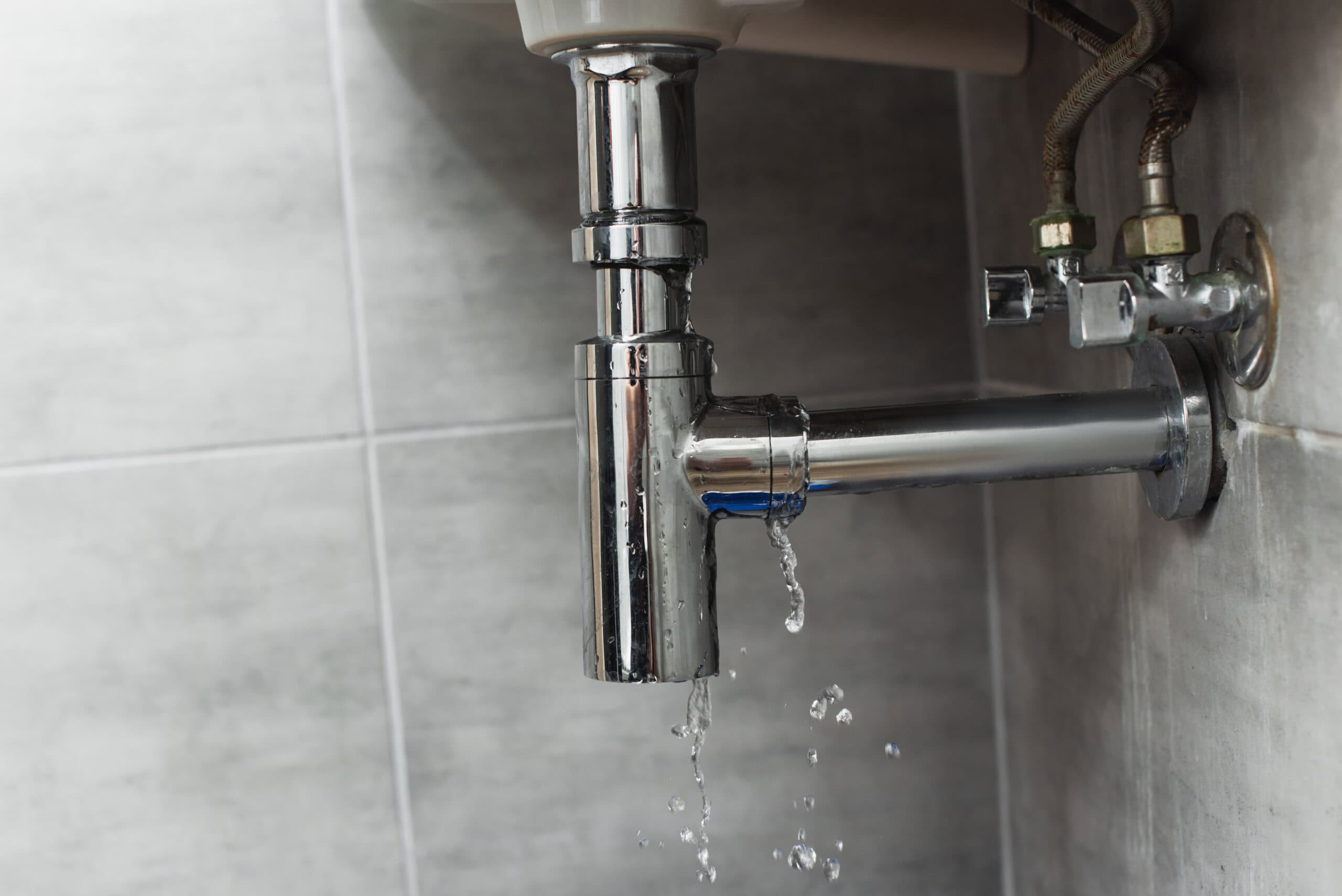
- Water pooling around sinks, toilets, showers or other plumbing fixtures
- Rust or corrosion on exposed pipes
Signs You’ll Notice Outside
Not every plumbing leak happens inside your home. Underground water pipes can leak for long periods before they’re discovered, with the first signs often appearing in your garden rather than your house.
If one area of your lawn stays lush while everything else is drying out, or the ground feels consistently soft and soggy despite dry weather, it’s worth having your plumbing inspected. These are common signs that water is escaping from a buried pipe.
Outdoor warning signs include:
- Wet patches in the yard
- Soggy or waterlogged ground
- Unusually green or fast-growing sections of lawn
- Water pooling near outdoor taps or along the original pipe route
Catching these warning signs early can help you avoid significant water damage, unnecessary water waste, and expensive repairs. Even if you’re only noticing one or two of these symptoms, it’s worth investigating before the problem has a chance to escalate.
Room by Room: Where Leaks Show Up First
- Bathroom: Loose or lifting tiles, water pooling around the base of the toilet, and a damp vanity cabinet are the three most common bathroom signs. A shower recess with a failed waterproofing membrane is one of the more expensive leaks to ignore, since the damage is happening inside the wall, not on top of it.
- Kitchen: Check under the sink first. A slow leak from the water inlet or waste pipe shows up as swollen chipboard or a damp smell inside the cabinet long before it reaches the kitchen floor. Dishwasher and fridge water lines are worth a look too, they’re a common source of small, steady leaks that go unnoticed for months.
- Laundry: Washing machine hoses perish over time, and a split hose can leak steadily rather than burst outright. Moisture around the laundry tub connections is the other common laundry sign.
- Roof, Ceiling and Outdoors: Ceiling stains and sagging plasterboard usually mean a roof plumbing leak or a leaking upstairs bathroom, and it’s worth having both checked rather than assuming. Outside, keep an eye on garden beds that stay wet, outdoor taps that drip even when closed, and irrigation lines that lose pressure.
Suspect a Leak? Here’s How To Check
To check for a hidden leak, turn off every tap and appliance in the house, then read your water meter. Wait 30 to 60 minutes without using any water and check the meter again. If the reading has moved, water is escaping somewhere in the system, even if you can’t see or hear it.
- Turn off every tap, appliance and irrigation system in the house
- Find your water meter, usually near the front boundary of the property
- Write down the reading, including the small dial if there is one
- Wait at least 30 to 60 minutes without using any water
- Check the meter again. If it has moved, you have a leak somewhere in the system
While this test is excellent for confirming that a leak exists, it won’t pinpoint its exact location. Hidden leaks behind walls, beneath floors or underground often require specialised leak detection equipment to find without causing unnecessary damage.
When It’s Time to Call the Experts
Hidden leaks often require specialised equipment to locate accurately without unnecessary digging or damage to your home. Using professional leak detection technology, plumbers can identify the source of the problem quickly and recommend the most effective repair.
Depending on where the leak is, this may include:
- Acoustic leak detection, which listens for the sound of water escaping under pressure, even behind walls or beneath concrete slabs.
- Thermal imaging cameras, which detect temperature differences caused by hidden moisture.
- CCTV drain inspections, allowing plumbers to inspect underground pipes and drains for cracks, blockages or tree root intrusion without excavation.
When it comes to plumbing leaks, finding the source quickly is just as important as fixing it properly. At Crawford Plumbing & Air-Conditioning, we combine years of hands-on experience with advanced leak detection technology to accurately locate hidden leaks and deliver long-lasting repairs with minimal disruption to your home.
Preventing Future Plumbing Leaks
The best way to deal with a plumbing leak is to stop it before it has the chance to cause serious damage. Regular plumbing inspections, keeping your water pressure at a safe level, and knowing where your main water shut-off valve is can all help you avoid unexpected repairs and expensive water damage. If you live in an older home, having your plumbing checked every few years is a smart investment that can identify small issues before they become major problems.
Most importantly, don’t ignore the warning signs. Whether it’s an unexplained increase in your water bill, damp patches, reduced water pressure or a musty smell, acting early can save you time, money and unnecessary stress.
At Crawford Plumbing & Air-Conditioning, we’re here to help you catch leaks early and fix them properly. If you’ve noticed any of the signs covered in this guide, get in touch with our team today. We’ll quickly locate the source of the leak, provide an upfront quote, and carry out reliable repairs that protect your home for the long term.
